
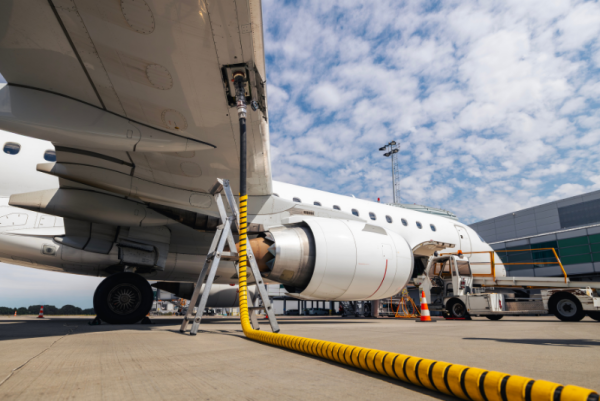
There are few things more frustrating in travel than booking what looks like a good deal, only to watch the total creep upward as surcharges and additional fees attach themselves to your basket before you reach the checkout. Fuel surcharges have historically been one of the more significant culprits, appearing as a response to rising oil prices and landing on customers who had already committed to a booking with no expectation of paying more.
This week, three of the UK’s biggest holiday operators moved to take that particular worry off the table.
What has been promised and by whom
Jet2 led the way, announcing on 24 April that neither its airline nor its package holiday operation would introduce fuel surcharges on booked flights or holidays. The commitment applies to all bookings made through any channel, including those made through independent travel agents, which is a detail worth noting for anyone who books through a high street agent rather than directly with the operator.
Jet2 has pointed out that it has never applied fuel surcharges in the past, but the new announcement goes further by removing the surcharge provision from its terms and conditions entirely. Chief Executive Steve Heapy was straightforward about the reasoning: “Holidaymakers should have every right to book their hard-earned break in the sun, without worrying about being hit with additional costs.”
EasyJet and easyJet holidays followed with a matching commitment, confirming that no surcharges will apply to any pre-booked easyJet holidays packages or to new bookings for summer 2026. The company was clear that its operations are currently unaffected by fuel supply issues and that transparent pricing is a commitment rather than a temporary gesture. Garry Wilson, Chief Executive of easyJet holidays, put it plainly: “Customers can be confident that not only will their holiday go ahead as planned, but there will be no surprise extra payments.”
TUI completed the trio, with UK and Ireland Managing Director Neil Swanson emphasising that customers who have already booked with TUI can consider their price fixed. “We understand that customers want both confidence and clarity when booking a holiday,” he said.
One important exception to note
The no-surcharge promise is genuine, but it comes with one caveat that is worth understanding before you travel. Tourist taxes, which are payable in resort at the time of the holiday and paid directly to accommodation providers, are not covered by the pledge. These vary by destination and are increasingly common across popular European locations, as Barcelona’s recent announcement to effectively double its own tourist tax illustrates.
The fuel surcharge promise locks in your flight and package price. It does not freeze the broader cost of travel, which continues to be shaped by local policy decisions beyond any UK operator’s control.
Not everyone is making the same promise
While Jet2, easyJet, and TUI have aligned on this commitment, the picture is not uniform across the industry. IAG, the parent company of British Airways, Aer Lingus, and Iberia, has taken a different position. A spokesperson confirmed that while the group is not experiencing jet fuel supply interruptions, fuel prices have risen sharply and its hedging strategy provides only limited short-term protection. As a result, IAG airlines are making pricing adjustments to reflect those higher fuel costs.
That is a meaningful distinction for anyone comparing options. Booking with one of the three operators that have made the no-surcharge pledge gives you a degree of certainty that booking with carriers outside that commitment does not currently provide.
Why this matters right now
The timing of these announcements is not coincidental. Global fuel markets have been volatile, and holidaymakers have been understandably anxious about whether prices they have already agreed to might shift before they travel. The pledges from Jet2, easyJet, and TUI are a direct response to that anxiety, and they represent a meaningful signal about how those operators want to position themselves in a competitive market.
For anyone still to book a summer holiday, the message is relatively clear. If price certainty is a priority, and for most people managing a household budget it is, choosing an operator that has made this commitment in writing and removed the contractual ability to add surcharges later is a straightforward way to reduce one source of uncertainty. The price you see should be the price you pay. This week, three major UK operators made that promise. It is a reasonable baseline to hold the rest of the industry to as well.
Picture Credit: Canva



Comments are closed.